

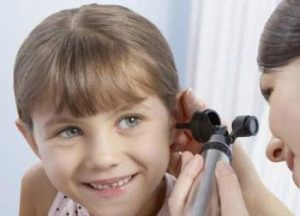
What is Fluid Accumulation in the Ear (putting a tube in the ear)?
It is called non-inflammatory fluid collection in the middle ear cavity behind the eardrum. It is called otitis media with effusion (OME) or serous otitis media (SOM). There are no signs of infection. There are no complaints such as ear pain, discharge, fever. It attracts attention with the child’s low hearing or watching television with a loud volume. Unilateral fluid accumulation in adults is usually related to nasal cancers and may be the first sign of nasal cancer. Fluid accumulation in the ear; It is never a primary disease, but occurs secondary to other diseases, so it is important to investigate the cause.
Causes of fluid accumulation in the ear;
- Frequent upper respiratory tract infections
- allergic rhinitis,
- Adenoids, polyps, nasal cancers that obstruct the nasopharynx region,
- premature birth,
- cleft lip, cleft palate,
- Early cessation of breast milk
- Weak immune system,
- Do not be in crowded environments.
Diagnosis of Fluid Accumulation in the Ear;
- First of all, the patient’s anamnesis (story) should be known,
- A complete otolaryngology physical and endoscopic examination,
- In ear examination; The collapse or adhesion of the eardrum, the fluidity of the fluid behind the membrane (having air bubbles in it), its thickness (being in the form of jelly) are evaluated.
- Nose examination; The condition of the turbinates (large and obstructive), the condition of the adenoids are evaluated.
- The condition of the tonsils in the throat is evaluated (excessive size, obstructive breathing problem)
- Ear measurement tests (audiogram, tympanogram)
- Necessary blood tests are done (for cause research)
Treatment of Fluid Accumulation in the Ear;
- The purpose of the treatment; It is to drain the fluid in the middle ear cavity (the fluid is drained by vacuum by drawing the membrane, if not, a tube is inserted) and to prevent its recurrence.
- Cause-oriented treatment should be planned, first of all, cause-oriented drug treatment is performed,
- Medication and monitoring for up to three months (no tube insertion at the time of diagnosis),
- If the hearing loss is less than 20 db during observation, drug treatment is continued,
- If the hearing loss is more than 40 db during observation, a ventilation tube is inserted,
- If the negative pressure is -400 on the tympanogram and does not respond to medical treatment, a ventilation tube is inserted.
- In those who have frequent otitis media, a ventilation tube is inserted together with medical treatment,
The ear tube is inserted under local and general anesthesia under fully equipped hospital conditions. Generally, adenoid surgery (adenoectomy) is also performed during tube insertion. He is discharged on the same day to come for controls at regular intervals. ventilation tubes; When the middle ear cavity begins to aerate and the collapse of the membrane is corrected, they spontaneously fall into the external ear canal within a period of three months to one year. During the period of ventilation tubes, water should not be leaked into the ear . For this reason, the main causative diseases should be treated so that the disease does not recur.